With all of the hullabaloo about A Scout is Brave (coming very, very soon!), it’s easy to forget that I have other books…including this one with a redesigned cover!
It has the same great content that lost me a Shirley Jackson Award in 2014, but if it’s been bugging you that the cover wasn’t as snazzy as the one for Acres of Perhaps…well, now they match a little better and you can complete your collection.
There are two video games I play through probably once a year: Borderlands 2 and Red Dead Redemption 2. They’re long and complex and rich with lots of experiences, much of it seemingly superfluous.
Always stop to pet the dogs.
When I play a game like that for the first time, I’m always full of anxiety over whether I’ll succeed, whether I’ll “win,” whatever that means. There’s a lot of desperation in my character’s actions, taking shortcuts and completing the required missions however I can with whatever I’ve got.
Now the second playthrough – that’s where things actually get enjoyable. Once I’ve lost that anxiety over whether it’s possible for me to succeed, I can dawdle and do all the side missions and optimize my character with all the best gear and explore all the easter eggs. I can pay attention to all the things I missed the first time, and usually succeed even better.
Also don’t forget to stop for the beautiful waterfalls.
You might see where I’m going with this.
I’ve had a stressful several months, scrabbling to finish the missions any way that I could. The ones coming up may or may not be better.
I hope I can remember to act (and more importantly feel) as though this is the second playthrough.
Act with the confidence that I’ve already won this game in many ways, and even the big setbacks end up being part of that story in the end.
Do all the side missions, gathering skills and experiences.
Optimize my character, fixing what’s not working and leaning into what does.
Explore the world a little more, looking for easter eggs and grace notes left for me by the designers.
Know when to pause, when to shut the game off and do something else before returning re-energized.
That all sounds surprisingly positive for me, I know. Sometimes I have to remind myself of things that are obvious to everyone else.
But really the advice holds for all of us: ALWAYS stop to pet the dogs and cats.
Our modest book tour for my new novella from Lethe Press, A Scout is Brave, is coming together, and we’ve now got a launch event!
As you may remember from Steinbeck’s book launch for Of Mice and Men and Poe’s for The Narrative of Arthur Gordon Pym, these events bring together friends, family, fans, and sometimes even members of the public lost on their way somewhere else, all to celebrate the release of a book.
At this one, we’re going to have:
A conversation/interview between me and Lethe Press CEO Steve Berman
A mercifully brief reading from the book’s contents by the author
A signing by the author, mostly of bankruptcy documents
Copies of the book
Food and drink
Other surprises
It’s open to anyone who would like to join us!
If you can’t make it, there are a few other opportunities to see me during the book tour:
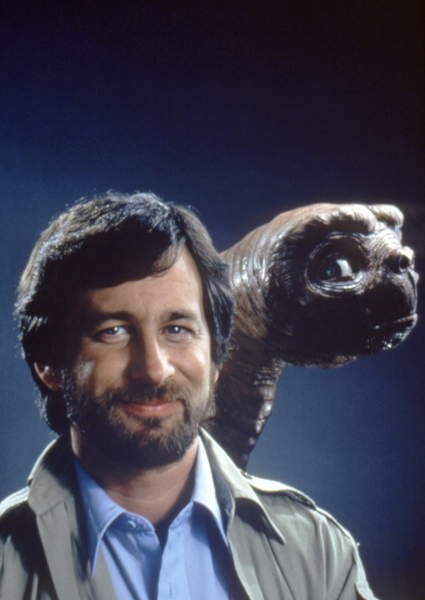
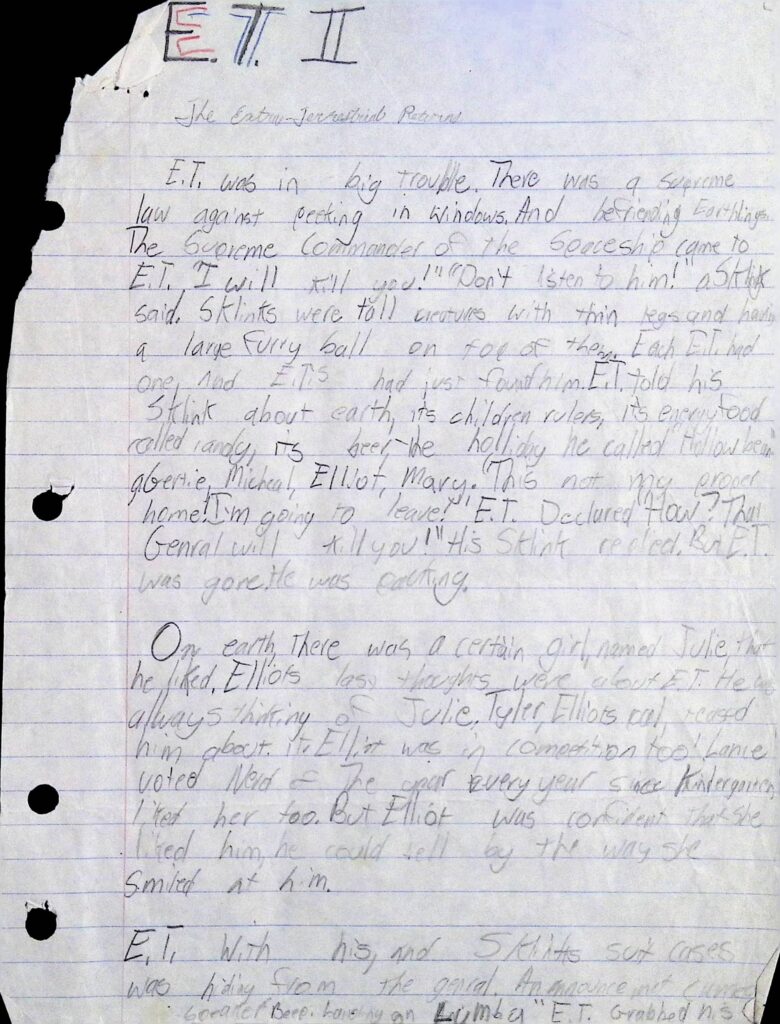
If you think my work is juvenile now, let me tell you…it was much worse when I was in the fourth grade. The year was 1982, and an obscure director named Steven Spielberg was all over my mother’s entertainment magazines posing with a rubber puppet.
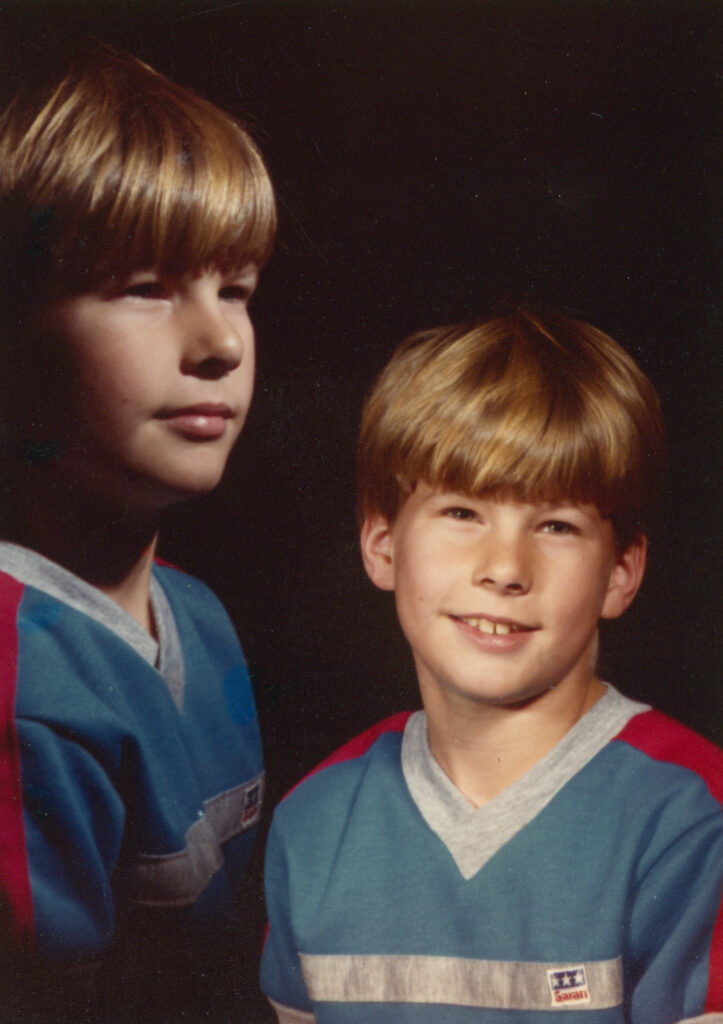
At nine years old, I discovered the idea that someone got PAID to entertain people with made up stories, which is something I’d been doing all my life for free like a chump.
Rocking the Garanimal outfit!
(It’s important to mention that due to some mutation of ADHD or anxiety or schizophrenia, my brain was constantly buzzing with all sorts of random shit like during the credits of The Twilight Zone. I was effectively insane, talking or performing almost constantly even when nobody was around. Stories all but shot out of my eyeballs.)
Steven Spielberg showed me that one boy’s mental illness was a grown man’s career, and I started writing stories down in my famously meticulous handwriting.
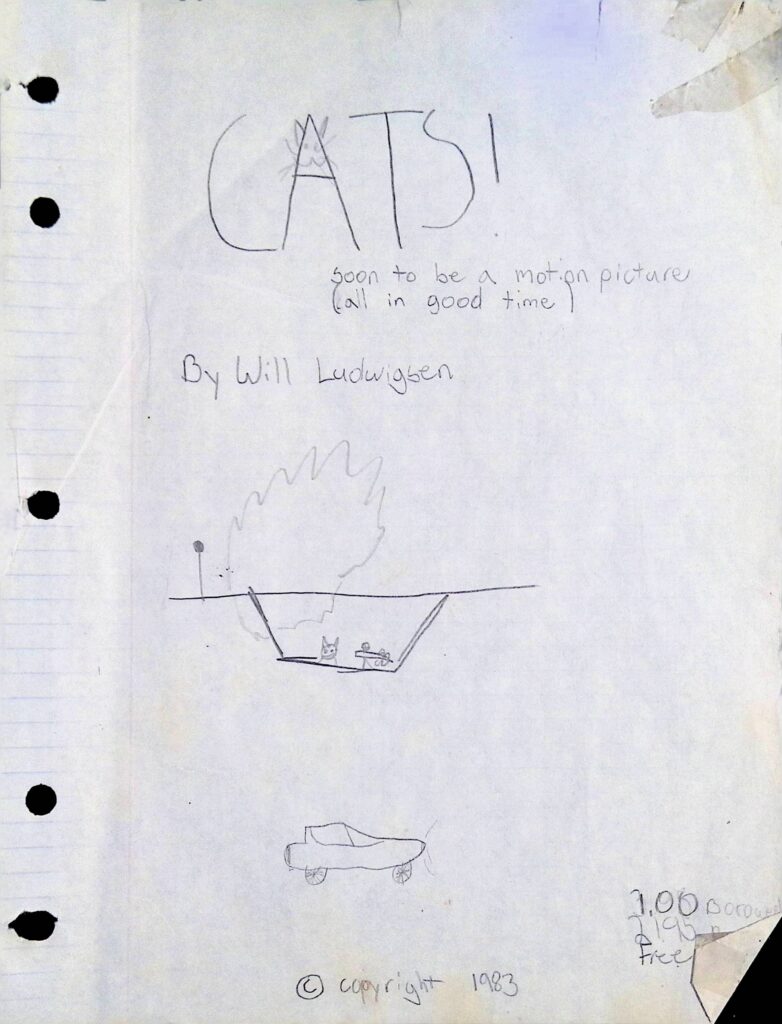
My first completed story was called “Cats!”, built upon my assumption that the stage musical was simply a bunch of skits about cats doing funny things around the house.
I showed this brilliant work to my fourth-grade teacher Mr. Clark who, perhaps to gain a moment of peace, allowed me to read it aloud to the class. Their reaction was like water on a grease fire, and I began producing other works for their entertainment.
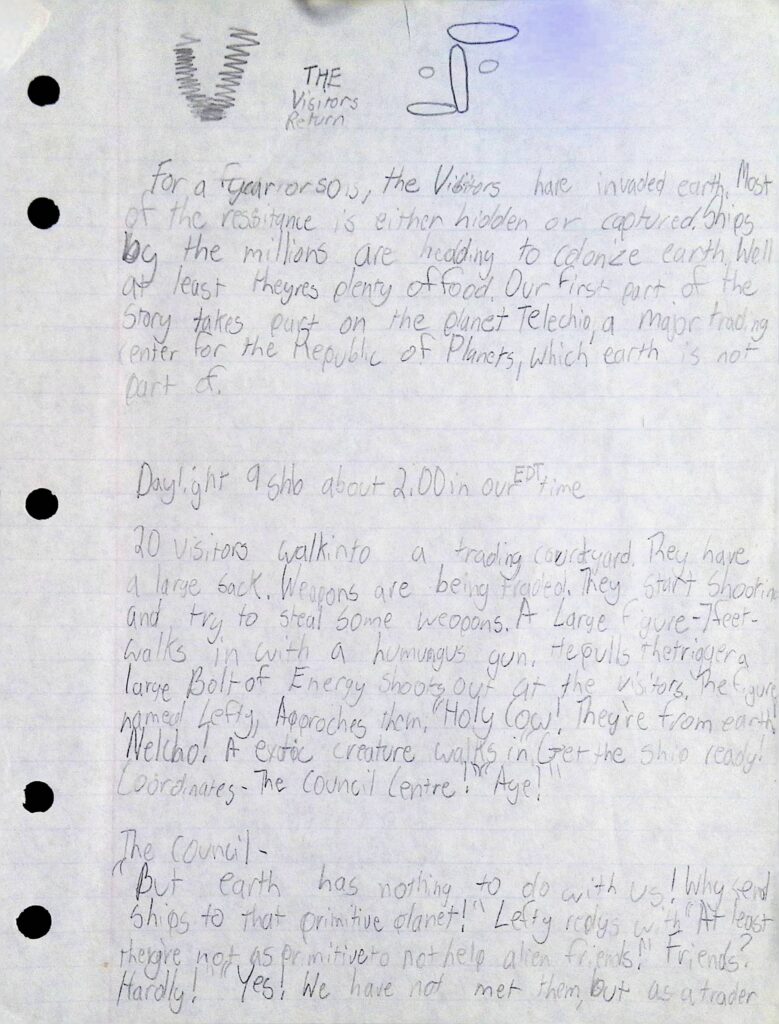
Most of them were sequels to my favorite films and TV shows.
You’ll notice perhaps that they are dialogue heavy with lots of exclamation points, mostly because – like the early primitive storytellers – they were meant to be performed. Some of them are just outlines of ideas that I’d improvise a story around when I was standing in front of the class.
What was their reaction? I remember mostly that they were relieved to be free of schoolwork and would occasionally offer up a few laughs at the funny parts.
Which was fine by me.
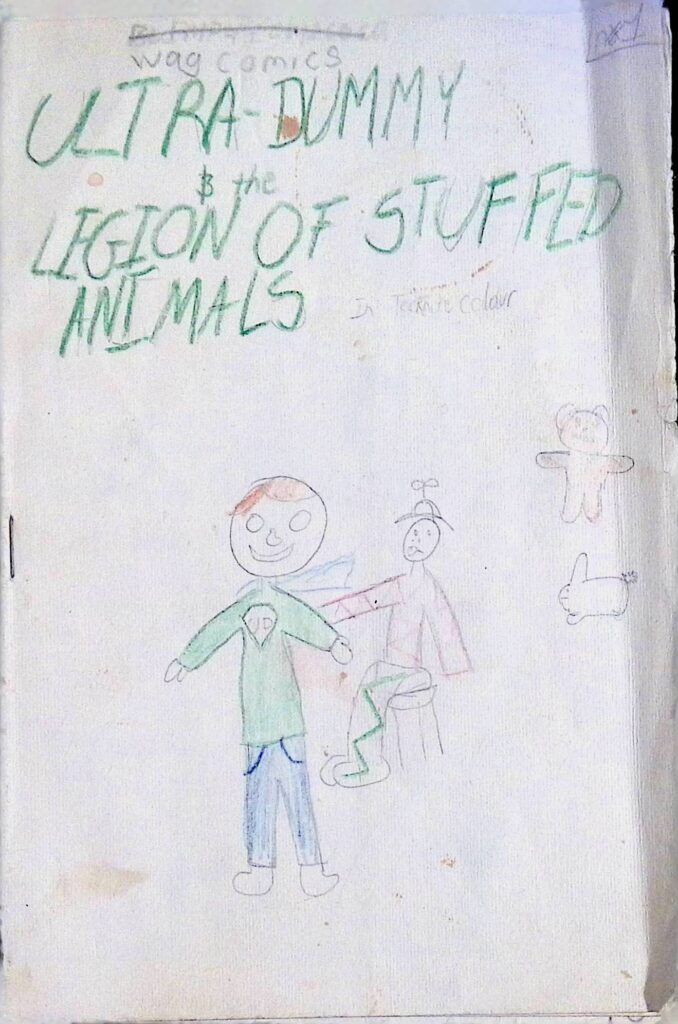
I tried my hand at comic book writing, too, though I had some weaknesses as an artist. Ultra-Dummy and the Legion of Stuffed Animals was the flagship production of a “company” started with my friend Garrett Albritton (hence the name W.A.G. for “Will and Garrett”).
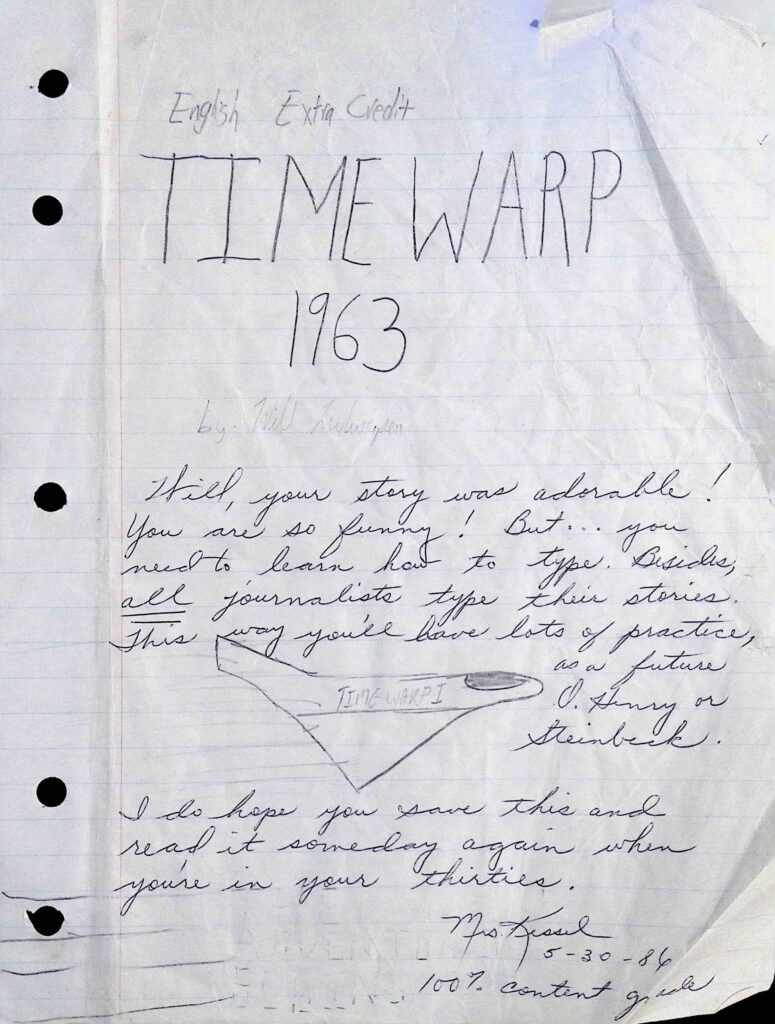
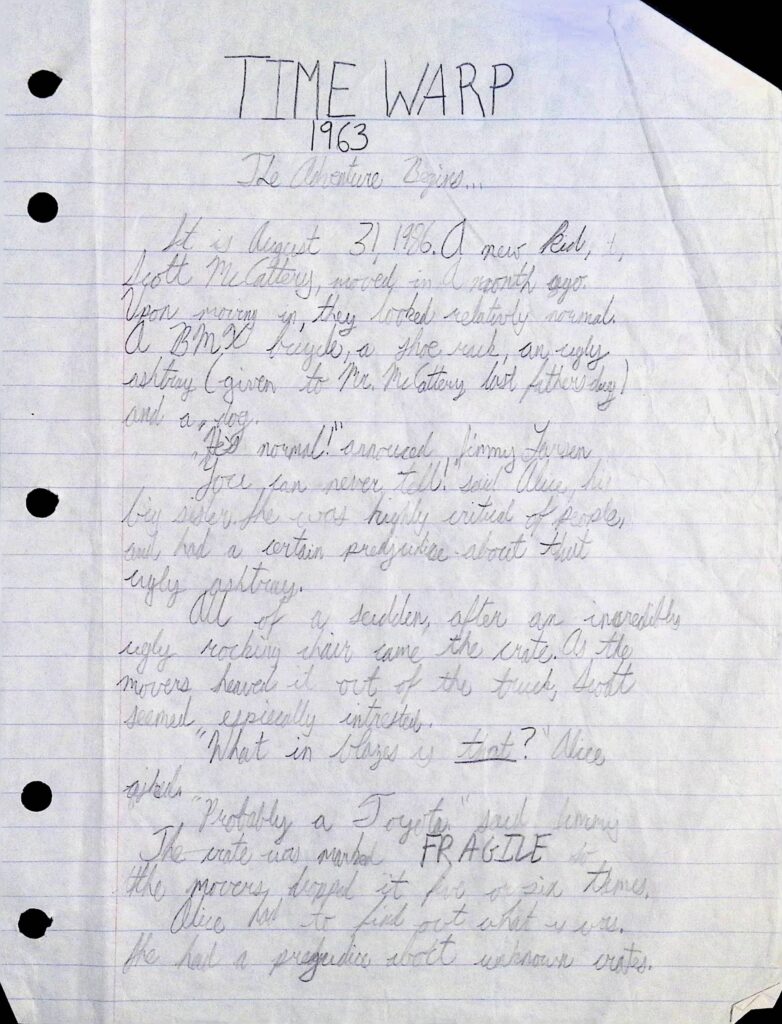
Toward the end of my story-performing career in the seventh grade (when it was starting to get me teased instead of applauded), I wrote my first foray into 1963:
(Who’d have thought that 38 years later, my novella A Scout is Brave would also take place in 1963? Have you heard of it? It’s available for pre-order!)
My teacher Mrs. Kessel, who was mystified that I would only do extra credit reading and writing instead of the actual assigned curriculum, gave me an early blurb I could use on my books even now:
Your story was adorable! You are so funny…a future O. Henry or Steinbeck!
I wonder sometimes whether I’d have chosen writing as a vocation if I hadn’t been praised for it by teachers and family. If they’d loved my work with Lego, would I have been an engineer? Or if they told me I was brilliant at explaining things in a way idiots could understand, would I have gone into corporate training and communication?
I think writing is more fundamental to my personality than those other things for three reasons:
I get a thrill out of people’s reactions to it that I don’t get from anything else.
I also get a shiver of joy from capturing something exactly and specifically with language.
I’m willing to keep doing it even when it doesn’t turn out well.
These pencil scrawls on notebook paper are rather embarassing now; they show a lot more enthusiasm than ability. The only thing that came to me naturally about writing was doing it even when my brain was a scramble and I was bouncing off the walls
Maybe that’s the surest sign that you’ve found your life’s work: you keep doing it anyway.
Yesterday we went to the early showing of Late Night with the Devil, a movie that on paper seems to check all of the Will Ludwigsen boxes: 1970s milieu, found/hoaxed footage, psychic phenomenon, demonic possession, hypnosis, skeptics, and dramatic supernatural comeuppances.
But when it started with five different production studio logos including Shudder, I got a little worried.
The film turned out to be 85% an amazing movie, with the other 15% comprised of some clumsy missteps, unnecessary explanations, and at least two more endings than it needed.
Of course, I’m suffering from a professional’s myopia here: that 15% is probably just what I’d have done differently, not some absolute or even arguable measure of quality. I’d have stuck more strictly to the found footage without as much behind the scenes, toned back some special effects, and trusted the story more.
Still, it was designed fabulously and included amazing performances, especially by David Dastmalchian and Ingrid Torelli. I enjoyed it, even with its flaws.
A lot of my (perhaps unfair) reaction to Late Night with the Devil is probably that it provoked so many ideas of how I’d have written it if the idea had come to me first. I see a lot of the ghosts of my unwritten stories out in the world, and this film called to mind one of the few writerly superstitious beliefs I still hold:
If you don’t write that story idea, it will find someone else.
I tell students that ideas aren’t all that important, that it’s the collision of the personal (their own experiences and weirdness) with stimulation from the zeitgeist that is their only real hope of originality. I absolutely believe that.
But there’s no question that we share a lot of the same stimuli in our culture, and the idea that you think is extraordinary and just for you may only be visiting. You’ve got to grab that out of the sea and club it with the oar before it swims away to someone else.
Late last year, I came upon this tweet by Bernard T. Joy, and the sick emptiness in my heart after reading it told me it was true:
I’m a slow writer. Actually, that’s not true: I’m a sporadic writer, working in sudden explosive bursts between a litany of excuses about feeling too tired, depressed, harried, or hopeless to do it.
An experience like Late Night with the Devil, one that almost but not quite pushes all my buttons, both saddens and energizes me. It’s an idea that found a different writer, but maybe if I show up more consistently, the next one will choose me instead.
You can catch me reading from A Scout is Brave at a 4:15 panel on Thursday, serving as the undercard well beneath actual luminaries James Morrow, Ellen Kushner, and Eileen Gunn.
I will also have fancy bookmarks to give away plus TWO advance reading copies of the actual physical book (with the hope that whoever gets each will kindly post a review).
I’m not sure yet if I’ll be on programming for any of those events, but you can certainly find me at the Lethe Press table in the Dealer’s Room for the first two.
Stay tuned for an announcement soon with details about the actual launch of the book in late June!
Would you like me to tour my book for your blog, podcast, or event? Let me know!
Sometimes I worry that I have a stunted imagination.
If you’ve read my work before, it’s likely that you’ve noticed that I have some themes that I return to over and over again:
Conspiracies of seemingly powerless but imaginative people thwarting evil and darkness
Nostalgia distilled to its metaphorical root
People who are wrong about the universe in interesting ways for interesting reasons
People who pursue their delusional theories off a cliff and suffer the consequences
Strange phenomena that turn out not to be random
A Scout is Brave (coming in July 2024!) has all five of those things, and as I read through it again a few weeks ago for a quick line edit, I wondered:
Am I imaginative enough for this business?
Though I often read and enjoy flamboyantly visionary mind-blowing fiction with wild ideas (Philip K. Dick, let’s say, or Ted Chiang), I seem to have a strange fuse in my mind that stops me from writing it. I’m not comfortable building castles in the air with nothing underneath them.
Like this book I recently found from my childhood.
Much of my early reading was what I jokingly refer to as “horror non-fiction,” things like ghosts and vampires putatively told as true. There was a participatory aspect to it for me, an idea that if I looked around the right corner fast enough, I’d see something wondrous.
I could imagine seeing Bigfoot in the woods, but not a dragon. That blows the fuse, unfortunately, which is why I’ll probably never write a heroic fantasy story.
And while I enjoy visionary writers like Clark Ashton Smith and Thomas Ligotti and Arthur C. Clarke who really press the gas pedal on going to the frontiers of their stories, I just can’t write that way.
An image I created after a dream.
I’m more of a weirdener.
I take normal things and make them plausibly weird because I hope to this day that I’ll come around a corner and see something wondrous. I’ll never ride aboard a starship or fend off an army of orcs at Helm’s Deep, but man, I will find my way into a secluded place in the woods or an abandoned mental institution.
David Lynch isn’t asking me to write a fourth season or feature film of Twin Peaks, but if he did, a question I’d have to answer for myself would be whether the whole world was “Twin Peaks-y” or if it only happened in odd Lynchian pockets. I’d prefer the latter because we’d all have known by now if we were living in a 100% Lynchian world, but if we could come upon that strangeness in certain places and times, it would give us a lot more hope that we could still be surprised by reality.
I think that’s how my stories, including A Scout is Brave, work. They’re all about the 10% chance that they aren’t completely untrue, a combination of cultivating our garden and fertilizing it with the strange.
If you don’t know by now that my father was a terrifying and chaotic presence in my family’s lives during his reign, let me offer this brief anecdote:
For years, my father swore that if my mother ever left him, he’d find us wherever we went and kill us. It ended up that my father left my mother for another woman instead, but we were still terrified that he’d come looking for us one day.
One incident that reinforced that threat happened during a hearing for my child support after the divorce. There had been an altercation in another courthouse a few days prior where someone had attacked a judge, so there was a newly-installed metal detector at our courthouse. My mother and I went through to the other side, and we watched as my father walked up to the metal detector, looked it over, and then left.
He preferred to get a contempt of court charge than to walk through that metal detector.
So we all stayed as far from him as possible for sixteen years after the divorce, following his life as best we could as a matter of security. Luckily for us, his criminal activities made his status and location easy to find in the state offender database.
So sixteen years went by, and I grew up in a slow, circuitous fashion, still believing that I should one day confront him as Luke Skywalker did with Darth Vader. I didn’t want to reconcile with him or save his soul…mostly, I wanted to gloat that I’d turned out okay despite his best efforts.
In 2004, I decided it was time. The state database listed his address (back in Arcadia) as a condition of his parole, so I took a day off from work and drove the five hours down to see him (and also some friends who still lived there at the time).
I pulled into the driveway of his mobile home, decorated to disguise that it was a mobile home, and I parked. I walked up to his front door, which was ajar behind a screened door. From inside, I could hear hymns playing loudly on a radio.
I’ll say that again. Hymns.
I knocked a few times and got no answer. On my way back to the car, my shoulders tensed expecting him to shoot me in the back, but he didn’t.
I visited with my friends and then on the way out of town decided to try once more. This time there were no hymns and my knocking was louder, so I heard heavy footsteps coming to the door. I realized that I had no idea what I intended to say or do.
For years, I’d considered decking him or even shooting him, but I wasn’t armed and I’ve never been much of a fighter.
This was a little later on and he didn’t have the cat yet (whom we’d later inherit), but he looked basically like this.
An old man squinted out at me through the screen door. He was thinner than my father had been and his face was bloomed red with broken capillaries from years of drinking.
“Can I help you?”
I didn’t have a line prepared. One good choice might have been, “Hey, go fuck yourself.” Another might have been to say, “Karen and Mother send their regards,” while jabbing my knee into his groin.
I settled for, “Hello. I’m Will.”
He squinted harder and then threw open the door. I braced for a swing, but instead he wrapped his arms around me in a terrifying Klingon bear hug that my arms were too pinned to return, even if I’d wanted to.
He pulled back weeping, which wasn’t something I’d seen him do before. He shook his head and pulled off his hat and rubbed the white stubble on his scalp and then replaced it. He kept doing that, apparently amazed that I was there.
I didn’t take this picture, but this is what he looked like at the time.
We chatted on that porch for about two hours. He had a slight Southern accent which faded away the longer he talked to me. He said a few half-hearted things about Jesus. He told me that his second wife had died of cancer recently and he was by himself, that he was tired of all the rubes and rednecks in town but at least they left him alone, and that he was looking into finding a lawyer to prove he was innocent of the crime he’d been sent to prison for.
“Don’t believe everything you read in the papers about that,” he said.
I did do some gloating, mentioning my fiction publications and graduate school, and—always class-conscious and into cars—he admired my parked Volvo.
He said he couldn’t drive a stick shift anymore because of arthritis, and though it could have been one of his cons, the man standing in front of me looked like every single member of my family including my youngest toddler niece could beat him to the ground.
That’s what I’d come to see: that this figure who’d terrified us for decades was now weakened by his own choices, living a life far worse, far emptier, than any punishment we could have wished on him.
People think that karma is some magical ironic force that sweeps in to serve justice, but the meaning is more about “suffering the logical consequences of your actions.” Karma had indeed come for my father, and it was all self-inflicted.
He was still strange and creepy and bizarrely tone deaf to feelings – “I wish I’d thought to run up my wife’s credit cards before she died because they can’t come to get you for that” – and there wasn’t much sign that he was aware of anything he’d done wrong. He asked about my mother and my sister, and I gave vague answers to protect their security.
He asked if I’d ever gotten to Eagle Scout and was disappointed when I said I didn’t.
By then, it was getting late and I’d gotten what I hadn’t known I’d come for: assurance that justice had come for my father and we’d all far outgrown any threat he could make.
We traded phone numbers and I said goodbye. He waved as I drove away, and years later when we cleaned out that house after he died, I saw that he wrote my name with an exclamation point on that day in his calendar.
I drove home in a weird kind of relieved euphoria. Yeah, he was still a predatory shark in his heart, but he had no teeth.
More importantly, I’d done something I’d always sworn I’d do.
My mother and sister were horrified that I went to see him, and an ebullient blog entry that I wrote about the encounter didn’t help. I unintentionally implied that we’d reconnected for a new beginning when the truth was much closer to discovering that the Soviet missiles in Red Square were just empty metal tubes.
I’d gone to find out that he couldn’t hurt us, and though I knew that now, it wasn’t my place to risk other people on the gamble.
I was his informal parole officer for the rest of his life. For the next several years until he died, we had stilted awkward phone calls every six months or so. He asked computer questions. He tried to sell me his mother’s wedding ring. He talked about lawsuits he wanted to file and encouraged me to go to law school.
He deftly avoided all questions about what he thought about his actions or his crimes. The closest he ever came to admitting his abuse was to say that living in Florida away from the life he’d known in New York had made him anxious and angry: “flapping in the breeze” was his expression for it.
I didn’t see him in person again except on his deathbed from colon cancer, where he asked me how my car and cats were doing and complained about the ambulance ride to the hospice while ignoring my sister standing next to me.
Not the most contemplative man in the world, certainly not one who’d write this much on the twentieth anniversary of something.
I’m not sure what good my reckless visit did. It was handy to know about his doings from a safety perspective, and that thin channel of communication perhaps sated his curiosity enough to prevent him from looking for us.
Maybe I needed to look at him with adult eyes and know I was different than he was. Maybe I needed to know I’d “won,” ignoble as that is. Maybe I wanted to give him the slightest chance to show any growth of consciousness.
In my last post, I wrote about some of the non-fiction handbooks that influenced me, but I left the fiction handbooks for their own post.
Like my character Bud Castillo in my forthcoming novella A Scout is Brave (heard of it?), I took books very seriously (and somewhat uncritically) as a kid. To me, every book was a kind of handbook, containing secrets on how to live competently.
My head back then felt like the opening sequence to The Twilight Zone with weird shit flying all over the place, clocks and doll heads and action figures and electronic components and Legos.
Actually, it still feels like that.
What I assumed books would help me do is fake the level of calm consistency that I assumed everyone around me performed as a matter of course. So I combed through every book for hints on a Grand Unifying Theory of how to be human.
(Which is what Aubrey Marsh is doing in my novella, too.)
Here are some of the books that influenced me greatly as a young person (elementary school through early college). I don’t necessarily recommend them or even still adhere to their points of view; they just each had moments of gravitational pull.
The Mouse and the Motorcycle, by Beverly Cleary
People who know me from work meetings and social situations may be surprised to hear this, but I’m actually oozing with empathy. It’s just sometimes a little…delayed. Or misplaced.
As a kid, I suspected that almost everything (especially if it was shaped like a person or an animal) had feelings. When Skylab fell from orbit, I fashioned helmets for my stuffed animals out of plastic soda bottle bottoms.
So it made complete sense that a sentient mouse could ride a toy motorcycle simply by making the noise of its engine, and every story I’ve written or believed in since about the heroism of seemingly powerless people comes from Ralph’s ride with Keith’s aspirin tablet.
Where the Red Fern Grows, by Wilson Rawls
This was probably the first (relatively) sophisticated work of fiction I encountered as a kid, along with the Ramona Quimby books.
(I didn’t get much advice from her, just validation that sometimes mischief came for you with the inevitability of the tides.)
My fourth grade teacher Mr. Clark read this to us after lunch for a few weeks, which probed to be a bad idea when he had a classroom of weeping nine-year-olds at the end…including me, to my great surprise. It was a revelation to have something untrue make me feel something real.
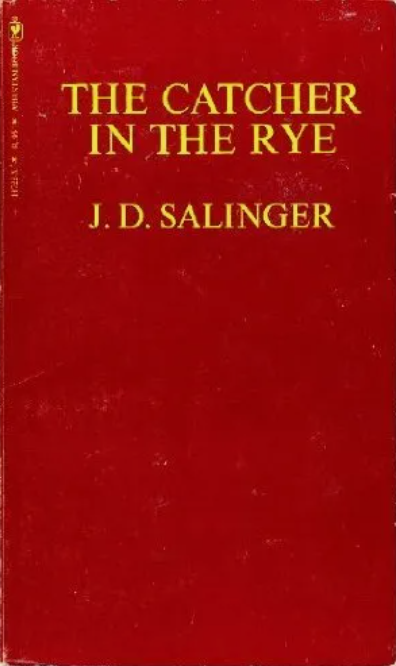
Catcher in the Rye | The Count of Monte Cristo | The Great Gatsby
When I got to high school, I of course fell into the Emo Boy Sociopath three-pack.
If you had a boardroom full of devious marketers and charged them with inventing stories for angry teenage boys with big feelings who felt forgotten by girls who should like them, they’d come up with this trilogy almost word for word.
Gatsby is basically Edmond Dantes in the American Gilded Age, right? A man with a sudden fortune uses it to impress a girl who spurned him and avenge himself on other men. The message of both books, that revenge isn’t healthy, is whispered at the end so as not to disrupt the fantasy.
Holden Caulfield, of course, is Gatsby as a teenager, surrounded by emotionally-dead phonies and not yet sure what to do about it. (Revenge, Holden! That’s what’s next.)
I loved all three of them.
The Planiverse, by A.K. Dewdney
My friend William Simmons loaned me his copy of this book when I was in high school, and I immediately latched onto its scientific conceit: how biology and chemistry and physics and engineering could function in a two-dimensional world.
But the quest of its central character Yndrd for meaning has stayed longer with me than all of the little science lessons he encounters along the way.
There’s a quote in the book that sooner or later, every intelligent being must explore its options, that almost physically cracked open my skull to the possibilities of my life. I didn’t have to take my purpose for granted, and it was my responsibility to physically find out what it was instead of merely thinking about it.
I gave this book to my friend Chris Swinney, now passed away, because I thought it was the kind of book about being a seeker that a rationalist like him would connect with. I have his copy in my own library and I value it.
Childhood’s End, by Arthur C. Clarke
I went through a phase of shunning science fiction when I entered college, and I made it through seven of ten courses as an English major perplexed why I didn’t give a shit about what I was reading.
A summer class on science fiction taught by Kent Beyette gave me permission to read the genre again, like Margaret Mead observing the people of the Manu’a Archipelago. We read Dune, The Mote in God’s Eye, A Clockwork Orange, and an anthology of classic short stories…but first there came this book, which made me cry with a sublime certainty that we could be a better species if we tried.
I cried too for the time I’d wasted on the 17th century poetry that no one reads anymore.
Zen and the Art of Motorcycle Maintenance, by Robert Pirsig
Really, this is a book about an idealistic philosophy professor who is driven mad by the terrible writing of freshman composition students. His rants about Quality, about seeking some form of excellence in even the smallest acts, were a revelation to me as a former gifted kid who just assumed he could half-ass his way through life because it had been working okay so far.
It’s scary to think that we live in a society so inured to whatever’s easy and comfortable that the theme of “give a shit about what you do even if it seems easy and minor” is a revelation.
But it certainly was to me.
A Prayer for Owen Meany
To say that I had a confused sense of God’s role in my life as a young person would be something of an understatement. I wasn’t sure if God was fucking with me because I deserved it or because I needed to be stronger for some noble purpose.
Either way, I assumed God thought about me a lot.
In this book, young oddball Owen Meany struggles with what he believes to be a great destiny, interpreting his entire life as leading to a moment of service and sacrifice for others. He happens to be right (which was a message I grabbed onto the first time I read it), but that doesn’t change the fact that his awareness of that destiny makes his life myopic (which is what I get from it now).
Aubrey Marsh from A Scout is Brave is related to Owen Meany in many ways, though Aubrey believes his destiny is a far darker one.
This book snapped me out of thinking (too much) about my ultimate meaning as a human being while letting all the little moments that make that meaning slip by.
You may have heard that I have a book coming out this summer called A Scout is Brave. What? You haven’t? Pre-order it now by clicking the button below!
One of the themes of the book is the disconnect between the model of reality that we place in books and the one we allow or reinforce in the real world. As a kid, I had a hard time understanding why people didn’t take books as seriously as I did, and to me, every book was a handbook.
As a kid with ADHD and anxiety, it was a revelation that there were actual books that could tell you how to live and do things, books that you could go out and make real in the world.
Let me introduce some of them to you.
Model Railroading, published by Lionel Trains in the late forties, was hopelessly obsolete by the early eighties when I read it, but I loved the idea of making my own tiny wholesome, controllable world. I can’t imagine why.
The 1963 Boy Scout Handbook appears in my story, and I had the same problem with it that Bud has: the huge gap between theory and practice, between what we say we believe and how most people behave. I was a kid in the eighties behaving like one from the sixties.
How to Run a Railroad was a book I found in our local library and checked out so many times that my father suggested we steal it when we moved away. It was a great book with kid-plausible ideas for building a model railroad out of random shit in your house.
In 1982, I discovered Steven Spielberg and the idea that some lucky people were actually PAID to make up stories instead of merely annoying others with them. That sparked the idea of becoming a film director, and Filming Works Like This was all we had in our elementary school library on the subject. The technology wasn’t too far off for the early eighties, but I had no access to it and had to settle eventually for…ugh…just writing stories down.
My elementary school library also had a small shelf of books for weirdoes, focused mainly on vampires, missing people, UFOs, Bigfoot, and ghosts.
Daniel Cohen was an author who specialized in telling dubious stories to young people with absolute credulity. I finished each one convinced that yes, there were spirits and aliens among us that nobody wanted to talk about.
So you might say that I started my artistic sensibilities with horror NON-fiction. Or at least fiction couched like it.
Frank Edwards was another crackpot who gathered what we’d call now “Forteana”: the kinds of bizarre happenings chronicled originally by the patron saint of crackpots, Charles Fort. My sister had a few of his books.
These are where I learned about the Marie Celeste, the shifting coffins of the Chase tomb in Barbados, the Bermuda Triangle, frogs dropping from the sky, and the Loch Ness monster.
My experience with more practical handbooks inspired me to imagine ways that we could actually resolve these mysteries, exploring the loch with a submarine, say, or examing the Marie Celeste with a forensic team instead of a bunch of dumbass sailors.
The Hardy Boys’ Detective Handbook was where I got some of those investigative ideas, and like almost every other imaginative kid, I started my own detective agency. I don’t remember solving any actual crimes, which is ironic given how many my father was routinely committing.
I guess there’s a lesson there in how context affects our morality.
One of my long-term investigations involved searching for gnomes. My mother bought me the book at the height of the gnomes fad of the early eighties, prouder of the family’s Scandinavian heritage than the rest of us.
Despite the map inside saying that at best we’d find extremely rare Beach Gnomes in Florida, I still kept searching the woods.
They decided not to show themselves, probably because I wasn’t ready.
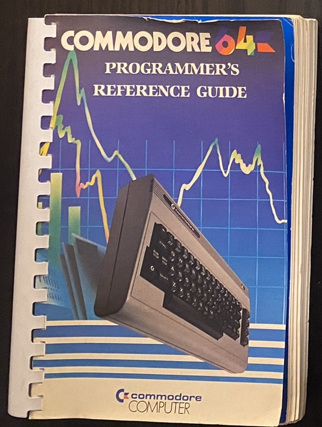
Then came the computer handbooks. I started with a Commodore 64 in 1985. My father refused to buy games or even a disk drive for it, asserting that this was for “serious business.” We had a tape drive instead, so I made my own games when my father wasn’t hectoring me to create an automated address book for him.
To find an address in the golden Commodore future, you’d just turn on the computer, insert a tape, fast forward the tape to the program, type LOAD, and wait patiently for the address book to appear. Simple as that!
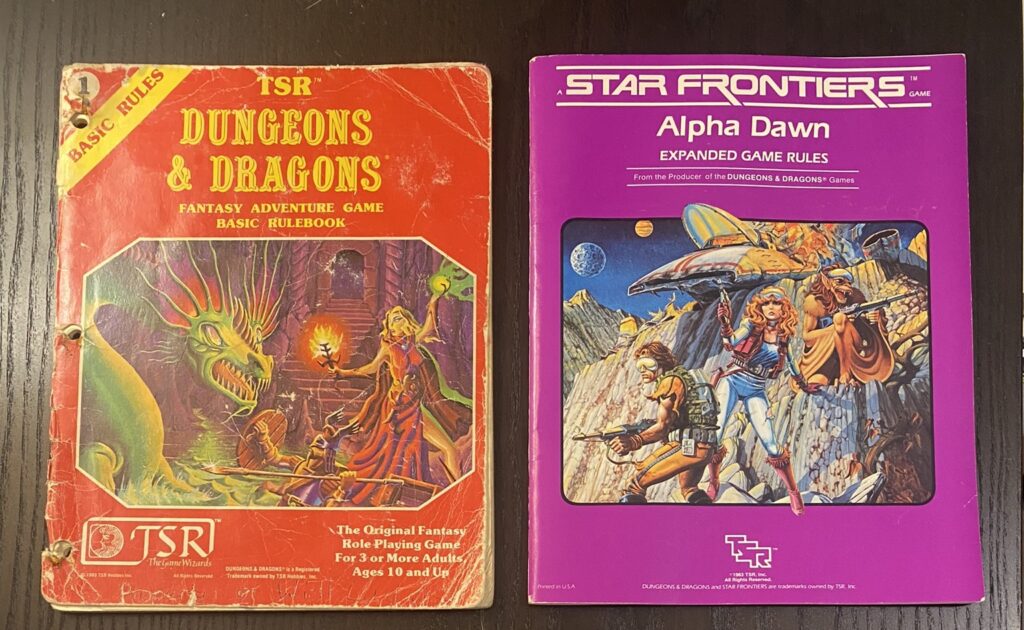
Next came the gaming books, starting with that red Dungeons and Dragons basic set for which I still have that book. My mother ordered it from their ill-fated bookstore because she’d heard that “gifted kids” played it.
I preferred science fiction, though, and later on I found Star Frontiers at Waldenbooks and then Star Trek from FASA.
And that’s just the non-fiction!
We are all constant compliers (conscious or not) of our own handbooks. I was luckier than some kids to have parents who owned a bookstore (however briefly) and believed in the importance of reading, not to mention a sister who was into weird books like Alive and the ouevre of Frank Edwards, and later friends who enjoyed speculative and imaginative ideas.
I’d be a much different person with different books, and I’m grateful for the ones I got.
"This short novel manages to pack into its 150 pages Bradbury-esque whimsy and imagination, the melancholia of memoir, the spirit of weird pulp adventure, and the bite of contemporary angst and satire." - Paul Tremblay
"Evocative tales of alternate realities steeped in the ethos of Shirley Jackson and Ray Bradbury." - Kirkus Reviews
"Exquisite craftsmanship makes this a timeless classic for those seeking asylum from formulaic prose." - Publishers Weekly, starred review